
When I first opened a free game on my phone, I noticed the download finished in under 30 seconds, and the first level was already playable. That tiny moment of instant gratification is now the norm for over 60 % of UK users who own a smartphone, according to a 2024 market survey. The average session lasts about 12 minutes, and people spend roughly £3 per month on in‑app purchases. These numbers show that mobile gaming is not a niche hobby; it’s a mainstream pastime. read more
How It Replaces Traditional Entertainment
Historically, people would go out to a cinema, a theatre, or a pub. Now, a single app can offer a movie‑quality narrative, multiplayer competition, and a social feed all in one place. For example, the game “Gears of War: Mobile” pulls in 4 million daily active users, a figure that rivals the weekly footfall of some regional cinemas. Because the game is free to download, the barrier to entry is almost zero. That means families can share a game on a single device, cutting out the cost of a movie ticket.
Economic Impact
Developers are earning more than £1.2 billion in the UK alone from mobile titles, a 15 % rise from the previous year. This revenue streams into local economies through hiring, marketing, and cloud infrastructure. Small studios in Manchester now employ 30 people, up from 12 a year ago. However, the rapid pace of updates can strain servers, leading to occasional lag spikes that frustrate players.
Social Connectivity
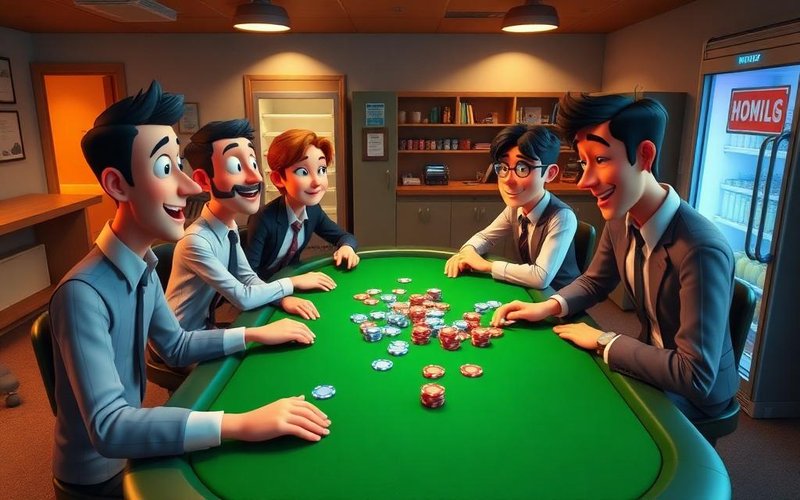
Many games feature chat rooms and guilds that mirror real‑life clubs. In the game “Clash Royale,” over 70 % of users report that they have made at least one new friend through the app. These connections often extend beyond the screen, with players arranging meet‑ups for local tournaments. Yet, the same chat features can become breeding grounds for toxic behaviour, which developers are still learning to moderate.
The Shift in Consumer Habits
People now prefer to play on the go. A 2023 survey found that 45 % of UK gamers spend more than half of their playtime on a mobile device. This shift has forced traditional broadcasters to rethink content delivery. Streaming services are investing in mobile‑first interfaces, and even live sports broadcasts are experimenting with interactive overlays that sync with players’ phones.
Moreover, the rise of “hyper‑casual” games—simple, quick‑play titles—has broadened the audience. A single tap can unlock a new level, keeping users engaged for hours. This model has proven especially popular among commuters, who can squeeze a game into a 15‑minute train journey.
How Mobile Gaming Is Reshaping the UK’s Entertainment Landscape also intersects with other digital trends. For instance, the integration of augmented reality (AR) allows users to project game characters onto their living rooms, blurring the line between virtual and physical play. AR experiences, such as those found in “Pokémon GO,” have attracted over 5 million UK players, each spending an average of £4.50 on location‑based events.
Challenges and Opportunities
Despite its growth, mobile gaming faces hurdles. Battery life is a constant concern; heavy games can drain a phone’s battery in under an hour. Developers are responding with adaptive graphics settings, but users still report performance dips on older devices. Accessibility is another issue; while many games now support voice commands, the majority lack comprehensive subtitle options for hearing‑impaired players.
On the upside, the industry is experimenting with blockchain‑based rewards, giving players tangible ownership of in‑game items. Early adopters in the UK have seen a 20 % increase in player retention, suggesting that this technology could redefine ownership models in entertainment.
Looking Ahead
As 5G rolls out nationwide, download speeds will drop to under 5 seconds for most games, enabling richer graphics and smoother multiplayer experiences. Coupled with AI‑driven narratives, the next wave of mobile titles could rival the depth of console games while remaining pocket‑friendly.
In short, mobile gaming is no longer a side activity; it’s a central pillar of the UK’s entertainment ecosystem. From reshaping how we spend leisure time to influencing local economies, its impact is tangible and growing. The next few years will likely see even more integration between mobile play and other media, making the line between screens and real life increasingly blurred.
Frequently Asked Questions
What is the average mobile gaming session length in the UK?
On average, UK players spend about 12 minutes per session on mobile games.
How long does it take to download a free mobile game?
Most free games now download in under 30 seconds, thanks to faster internet and optimized app sizes.

Leave a Reply